Expressive therapy approaches utilize various creative and artistic modalities to facilitate healing, self-expression, and personal growth. These forms of therapy harness the power of art, movement, and creativity to explore emotions, process experiences, and promote well-being.
Art Therapy:
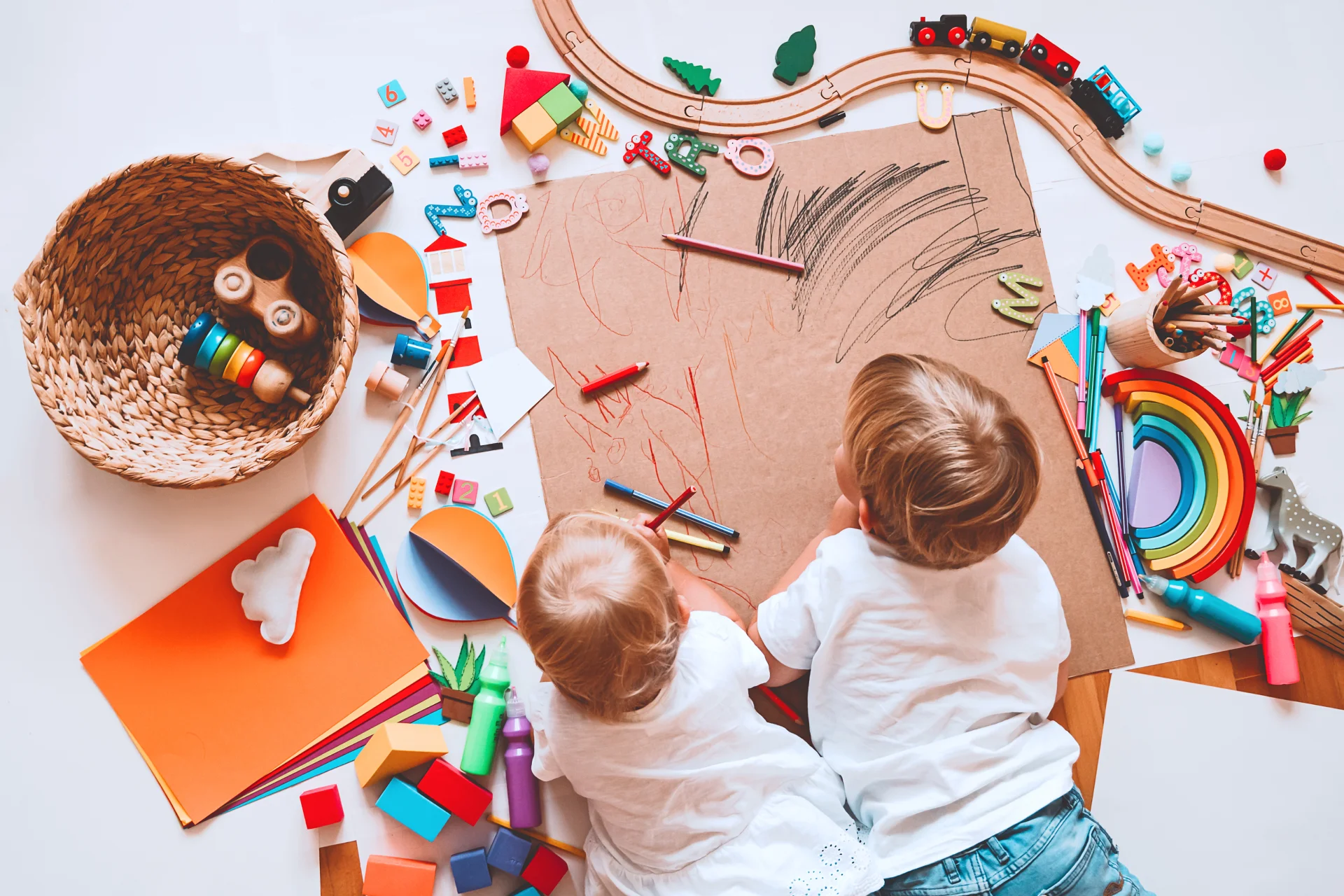
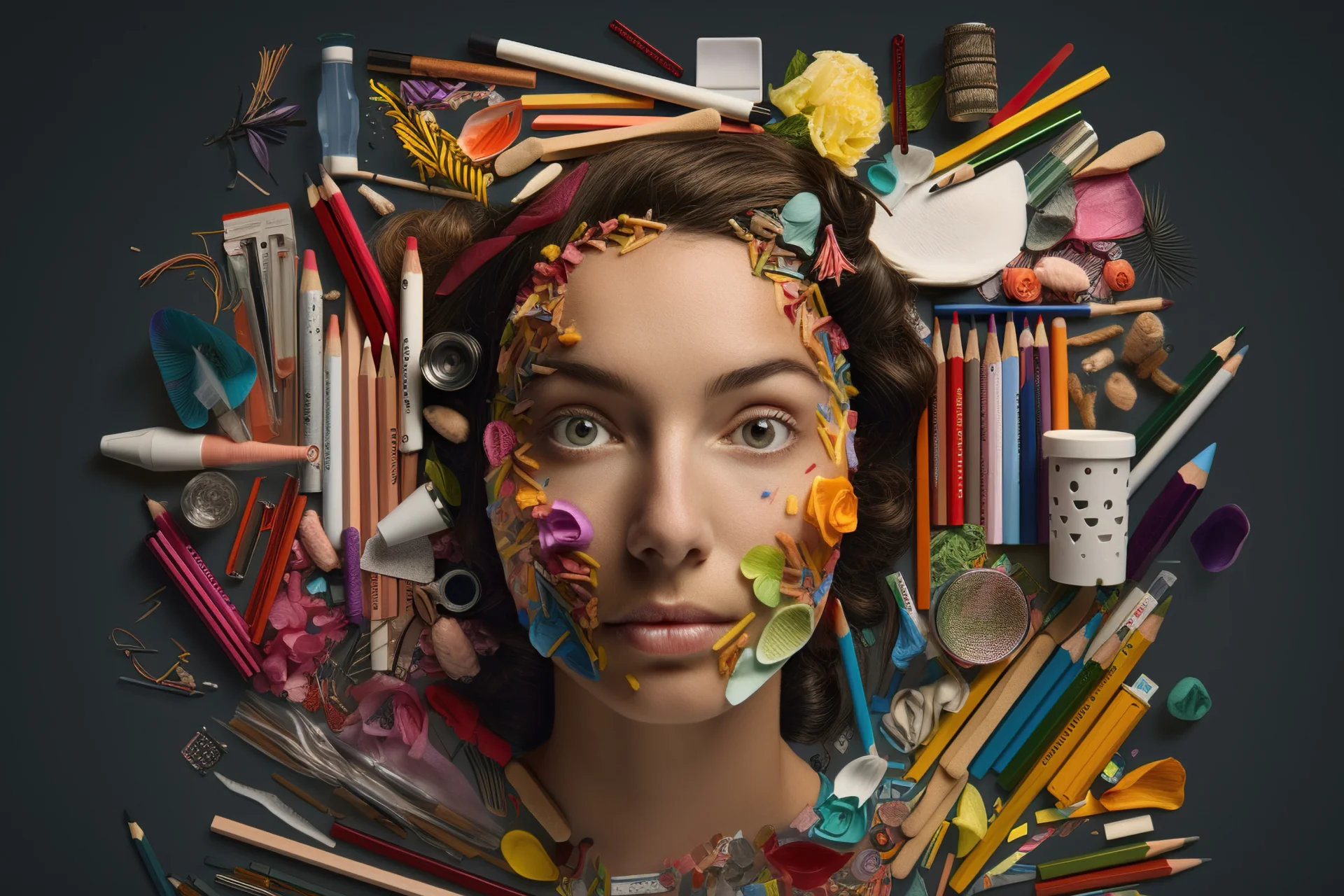
Art therapy involves the use of visual arts, such as drawing, painting, sculpting, and collage, as a means of self-expression and exploration. In art therapy, the creative process and the artwork itself become vehicles for communication and healing. Art therapists guide individuals in using art materials to express their thoughts, emotions, and experiences, allowing for deeper insight and personal growth.
Music Therapy:
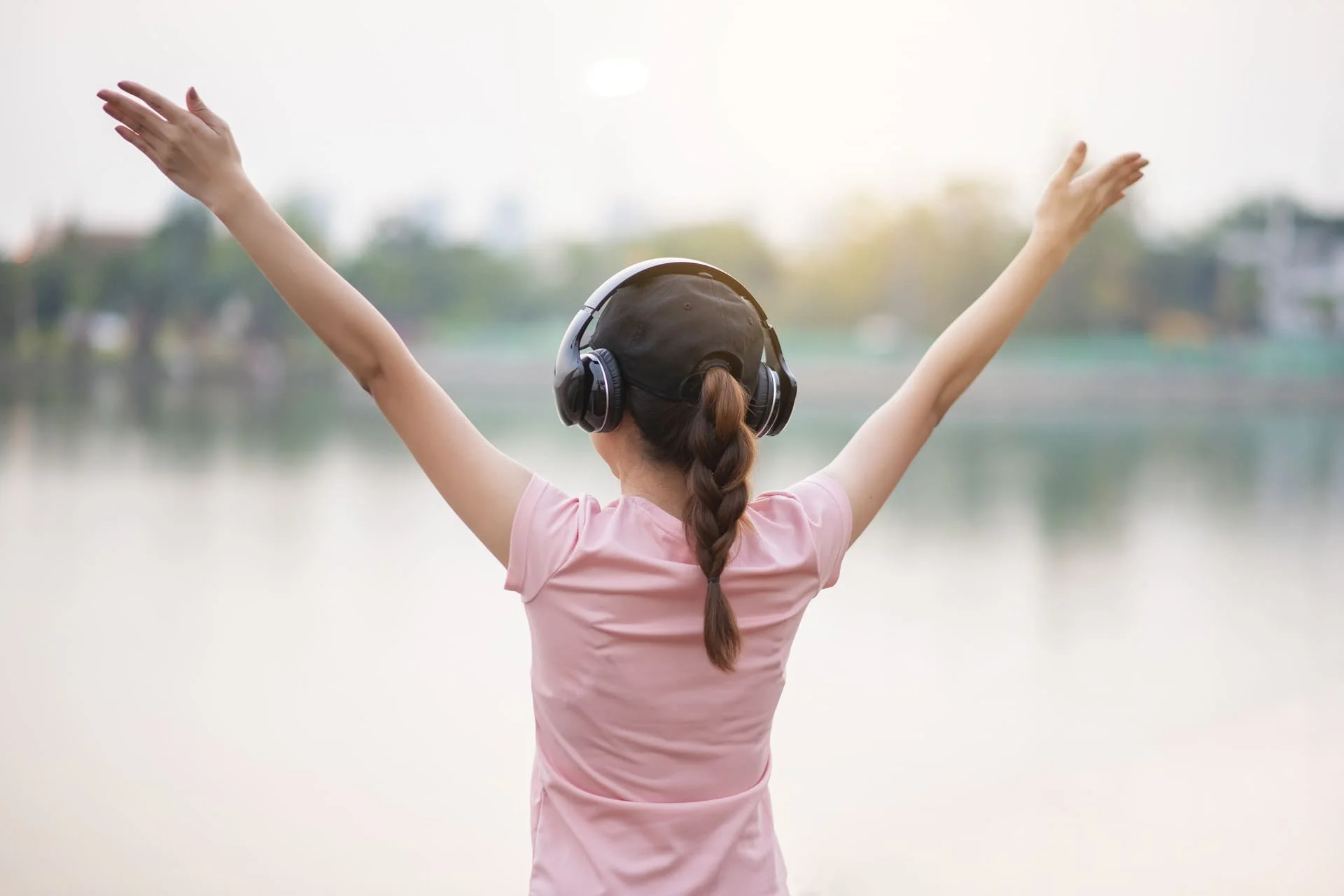
Music therapy harnesses the therapeutic qualities of music to address emotional, cognitive, and physical needs. Trained music therapists use various musical activities, such as listening, playing instruments, singing, and song writing, to engage individuals in self-expression, emotional release, and relaxation. Music therapy can promote emotional regulation, reduce stress, enhance communication, and foster a sense of connection and well-being.
Dance / Movement Therapy:
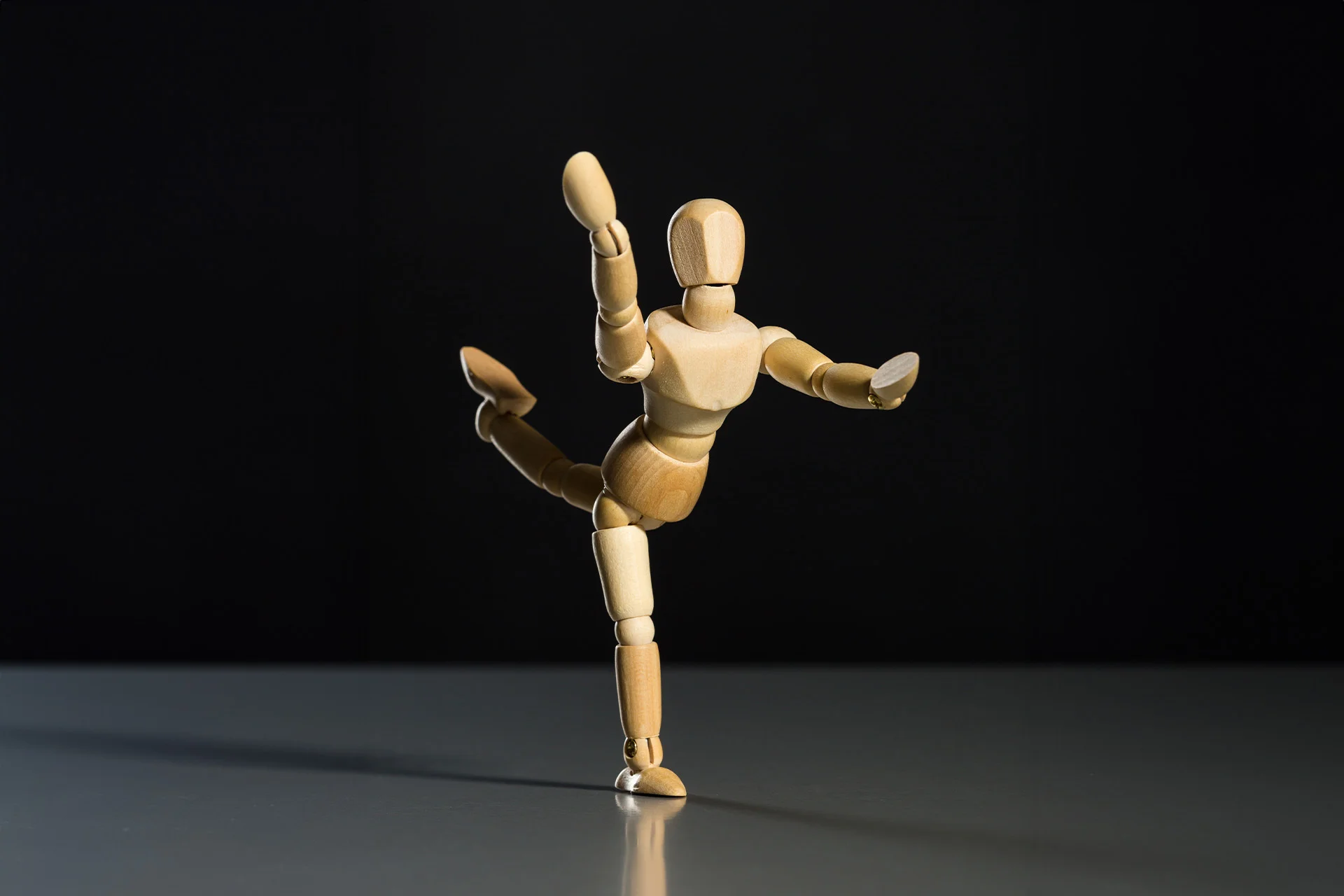
Dance/movement therapy emphasizes the connection between movement and emotional well-being. Through guided movement exercises, individuals explore their bodies’ sensations, gestures, and postures to gain insight into their emotions and relationships. Dance/movement therapy can help individuals express and process emotions, improve body awareness, enhance self-esteem, and develop healthier ways of relating to oneself and others.
Psycho Drama:
Drama therapy utilizes improvisation, role-playing, storytelling, and other dramatic techniques to promote self-expression, insight, and personal growth. Through engaging in theatrical activities, individuals can explore different perspectives, rehearse new behaviours, and process their experiences in a safe and supportive environment. Drama therapy can enhance communication skills, build self-confidence, and facilitate emotional healing.
Expressive therapies recognize that individuals may find it challenging to express or process their thoughts and emotions solely through verbal communication. These creative modalities offer alternative channels for self-expression and exploration, allowing for a deeper understanding of oneself and one’s experiences.
As a therapist, I am trained to guide and support you in these expressive therapies. I will create a safe and non-judgmental space where you can freely engage in the creative process, fostering self-discovery, healing, and personal growth.